What the 2026 spectrum auction means for Pakistani students, professionals, and the digital divide
Read MoreManāra Policy & Practice
Bridging insights across sectors, perspectives & geographies
What is Manāra?
Manāra Policy & Practice is a strategic design and advisory practice that bridges evidence and action across critical development challenges. We work globally at the intersection of government, private sector, and development landscapes where their efforts converge to maximize social impact and advance equity. Through policy analysis, systems thinking, strategic design, and public communication, we deliver solutions grounded in rigorous research, contextual realities, and international best practices. The name Manāra (lighthouse) reflects our role as a focal point that illuminates connections across disciplines, sectors, and perspectives. We believe the most pressing development challenges require integrated insight, not isolated expertise. 'Policy & Practice' embodies our commitment to working collaboratively across disciplines on both analytical rigor and practical implementation.
How we work?
We bridge evidence and action, translating complex policy challenges into implementable strategies. Working with governments, corporations, development organizations, and research institutions worldwide, we bring particular depth to Pakistan, South Asia, Central Europe and Gulf and the Arab region where our network understands institutional landscapes and political economies, not just technical blueprints. Our strength is interdisciplinary integration built into individual expertise, not just team composition. Like the lighthouse we're named for, we distill complexity into clarity; transforming dense debates and sprawling data into focused insights that enable decisions and drive action.
Our thematic workstreams
The five thematic areas below reflect our reading of contemporary development practice
What we do

Information Governance & Digital Transformation
We work at the intersection of technology, rights, and policy to address how societies govern information flows and digital systems in ways that serve the public good. Our analysis and advisory services span access to information frameworks, AI ethics and governance, digital transformation strategies, media development, press freedom, platform governance, data protection regimes, and the regulatory architectures needed to ensure technology advances human development rather than undermining it.
Cultural Heritage & Collective Memory
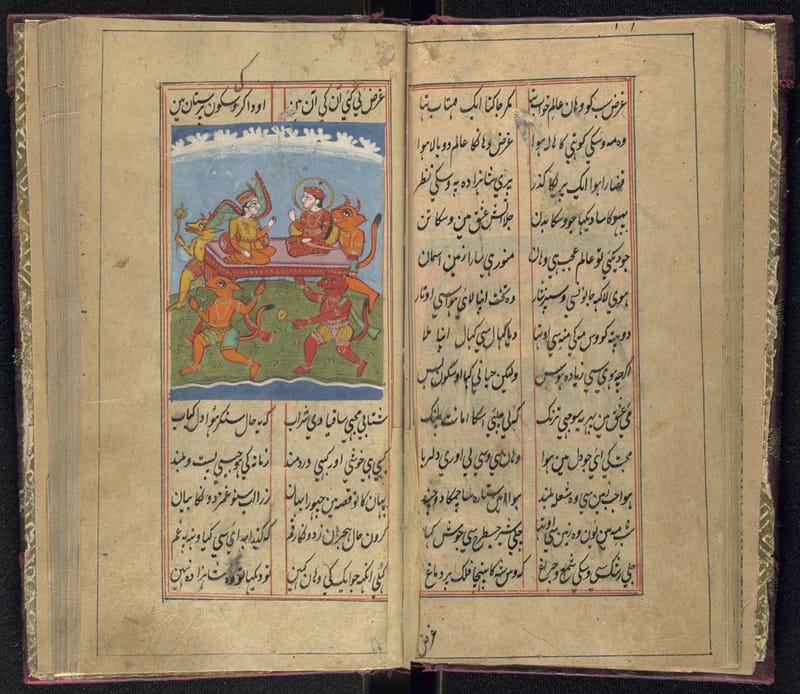
We work on heritage preservation, narrative construction, and collective memory to examine how societies document, interpret, and transmit their pasts. This goes beyond technical preservation to questions of whose stories get told, how historical narratives shape present identities, and what role heritage plays in social cohesion or exclusion. Our work spans documentary heritage management, archival systems, intangible cultural heritage, exhibitions and memory projects.
Growth & Innovation Ecosystems
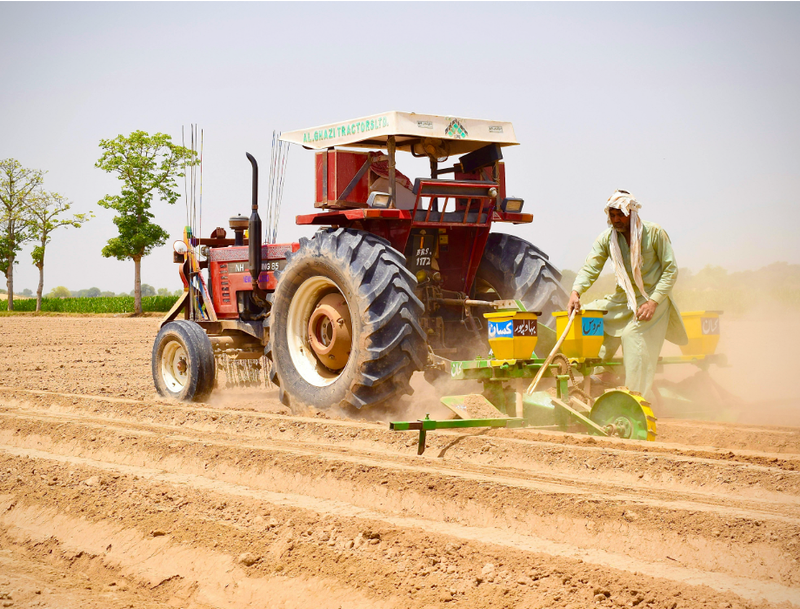
We work at the intersection of organizational performance and entrepreneurial development to enable economic transformation. We support corporations in integrating technology, building capacity, and restructuring for agility. This includes navigating the transition from voluntary Corporate Social Responsibility (CSR) to mandatory Environmental, Social and Governance (ESG) reporting, developing diversity and inclusion strategies, designing frameworks that create measurable impact. We advise on policies that enable inclusive development, and strengthen economic resilience.

Climate Justice & Social Equity
Our work examines climate impacts alongside broader questions of gender equality, minority rights, poverty reduction, disability inclusion, and social protection. We analyze how environmental and social vulnerabilities compound existing inequalities based on gender, class, caste, ethnicity, disability, and geography.
Cities, Spaces & Society
We examine how built environments, spatial configurations, and public spaces shape social relations, economic opportunity, and environmental futures. This thematic area addresses urgent questions of rapid urbanization, spatial inequality, internal displacement, migration dynamics, urban violence, and how cities and settlements can become more equitable, sustainable, and livable.

The Caravanseraye : A third space
Beyond client-commissioned work, Manāra maintains an independent exchange platform to advance thought leadership, public discourse, and collective learning. Scroll down for details.
Services We Provide
Research & Policy Analysis
We conduct strategic policy reviews, sector landscape analyses mapping stakeholders and trends, rapid policy assessments on emerging issues, baseline studies and needs assessments, comparative research across jurisdictions, political economy analyses examining power dynamics and incentives
Strategic Planning & Program Design
We facilitate organizational strategy development, design programs with robust theories of change and results frameworks, create monitoring, evaluation, and learning systems, develop implementation roadmaps with accountability mechanisms, and conduct feasibility assessments
Stakeholder Engagement & Capacity Building
We facilitate strategic planning retreats, design and lead stakeholder consultations, validation workshops and moderate multi-stakeholder dialogues, training programs on specialized topics, capacity assessments, toolkits and ongoing technical advisory through retainer arrangements,.
Monitoring, Evaluation & Learning
We develop results frameworks and theories of change, design monitoring systems and data collection methods, conduct baseline and endline assessments, lead mid-term and final evaluations and participatory impact assessments. and feedback mechanisms connecting beneficiaries to decision-makers
Communication & Knowledge Products
We create compelling policy briefs, design advocacy campaigns, produce visual reports combining narrative with data visualization, develop multimedia content (video, podcasts, interactive features), create digital strategies, design infographics and data stories, and develop advocacy campaigns and messaging frameworks.
ESG Strategy & Corporate Responsibility
We design diversity, and inclusion strategies, conduct ESG gap analyses, develop CSR frameworks, and partnership mapping connecting private sector actors with government and development stakeholders. We guide organizations in translating sustainability commitments into measurable data, building internal capacity for ESG reporting and monitoring
What we are building: Partnerships & Practice
THE PAGE BELOW IS CURRENTLY BEING UPDATED !
Our Work
District Climate Adaptation Plan (DCAP), Rajanpur (2025–2030)
A district-level climate adaptation strategy aligned with Pakistan’s National Adaptation Plan, translating national priorities into a localized, actionable resilience framework addressing flood risk, drought, extreme heat, agriculture-water systems, ecosystem protection, disaster risk management, and climate-resilient infrastructure.
Information as Infrastructure: Mapping Pakistan’s Knowledge Economies
A research initiative examining how data and information function as economic, institutional, and cultural infrastructure across key sectors in Pakistan. Through sectoral value chain mapping, and economic analysis, the project traces how information is owned, monetized, and regulated, revealing power structures, gaps, and opportunities for more equitable and resilient knowledge governance.
Road Safety in Pakistan: A Hidden Crisis
A national-level analysis of road crash mortality, institutional fragmentation, and economic impact, with actionable recommendations for data reform, enforcement, infrastructure safety, and trauma response systems.
Curatorial Research on Pakistan’s Independence Movement Exhibition
Curatorial research support on Pakistan’s independence movement, focusing on key figures and their stories, detailed biographies, timelines, and human-interest narratives for layered presentation of personalities and their contributions.
AI-Enabled Green Jobs Compendium
A national guide mapping emerging AI-enabled green job pathways for Pakistani youth, linking climate adaptation priorities with digital transformation trends and outlining practical skills, training routes, and institutional recommendations to address the country’s growing skills mismatch.
Memory Museums: Preserving Dignity & Identity After Disaster
A community-led museum model to preserve the lived heritage of disaster-affected and displaced communities in Pakistan, beginning with a pilot concept inspired by the formation of Attabad Lake. The initiative reframes museums as spaces of dignity, healing, and climate memory, with a replicable framework currently under development and fundraising.
Mīrās میراث : Honoring Her Story - A Legacy-Based Archive Project
Miras is a Manara flagship project dedicated to preserving and celebrating women across Pakistan through the creation of a women’s history archive. Through a unique, legacy-driven approach, partners such as individuals, philanthropists, or organizations make preservation pledges, selecting women from their families, communities, or regions to honor, while simultaneously supporting research and curatorial work that uncovers and celebrates additional unsung female heroes from a specific geographic area, field of work, or sociocultural movement. Together, these legacies are building a growing repository of women’s stories that will form the foundation for a future physical archive.
Youth trainings on heritage preservation through documenting endangered languages
A crowd sourced, youth led project for preserving oral and documentary heritage of mountain communities in Gilgit Baltistan. The initiative is funded by Manāra, and part of its celebration of International Decade of Indigneous Languages.
Messaging, Meaning & Social Resilience: A Systems Review of SBCC in Pakistan
An independent analytical initiative by Manara examining the design, implementation, and impact of major Social and Behavior Change Communication (SBCC) campaigns in Pakistan over the past three decades. The initiative seeks to assess how these campaigns have shaped public behavior across health, climate resilience, and social protection domains, and to identify systemic strengths and persistent gaps in strategy, delivery, and sustainability. Through a comparative and forward-looking lens, the project aims to generate evidence-informed insights to support more resilient, context-sensitive, and institutionally grounded behavior change programming in Pakistan.
Project Documents
Messaging, Meaning & Social Resilience: A Systems Review of SBCC in Pakistan
Cross-Case Study Assessment Report: examines nine Social and Behaviour Change Communication campaigns in Pakistan across three decades, surfacing patterns in what works
Capital, Disclosure, and the Enterprises in Between
An Analytical Report on Pakistan's Social Impact Economy: Following the money, enterprise investment readiness, and impact measurement coherence
Unlocking Green Futures Building an AI-Enabled Green Workforce in Pakistan
A Strategic Guide for Policymakers, Donors, and Skills Institutions
Policy Brief: Social Impact Investment Landscape in Pakistan
For Pakistan's corporate sector and the development finance organisations and donors who fund the country's enterprise development ecosystem.
The Caravanseraye
This is our 'third space': Named for the historic gathering places where travelers, merchants, and scholars exchanged goods, stories, and ideas. The Caravanseraye brings together diverse voices in a series of gatherings at rotating locations, for dialogue on critical social & development questions.
Desk Notes
Ideas, arguments and open questions; check out our essays, thought pieces and articles
On ESG disclosure, impact capital, and the enterprises Pakistan's new regulatory regime cannot yet see
Read MoreTaking stock of the Indus AI Summit, the Pakistan Digital Authority, the New Delhi AI gathering, and what all of it means for working Pakistanis
Read MoreThe jokes we make about our cities are more precise than they look. A reflection on urban feeling, informal resilience, and the emotional lives of Pakistani places.
Read MoreA big-picture review of Pakistan's Social and behavior change communication efforts over three decades
Read MoreOur team & Collaborators
Partnership Model
Manāra operates as a collaborative community of practice where independent experts are strategic partners, not employees. We offer two engagement pathways:
Manāra-Led Projects: Core team secures clients and assembles expert teams. Experts contribute technical expertise, we handle business development and administration. Fair compensation, professional support, collaborative environment.
Expert-Led Initiatives: Experts identify opportunities and lead resource mobilisation under Manāra's umbrella. We provide institutional backing, infrastructure, and quality oversight. Experts who originate a project retain creative and intellectual leadership over its direction, and a commensurate share in the resources it generates.
Engagements are governed by case-specific agreements that establish scope, confidentiality, and intellectual property terms.
Manāra-Led Projects: Core team secures clients and assembles expert teams. Experts contribute technical expertise, we handle business development and administration. Fair compensation, professional support, collaborative environment.
Expert-Led Initiatives: Experts identify opportunities and lead resource mobilisation under Manāra's umbrella. We provide institutional backing, infrastructure, and quality oversight. Experts who originate a project retain creative and intellectual leadership over its direction, and a commensurate share in the resources it generates.
Engagements are governed by case-specific agreements that establish scope, confidentiality, and intellectual property terms.
Work with us
COMING SOON !
Content and Engagement Assistant
This role supports Manara’s digital strategy by actively monitoring sector trends, conversations, and key actors across platforms, identifying opportunities for engagement, partnerships, and funding. Informs content creation through audience insights, thematic analysis, and engagement opportunities, ensuring online activities drive meaningful in-person connections and advance Manara’s work. The role will initially be remote/virtual, later expected to be hybrid (i.e. remote/Islamabad).