What we do
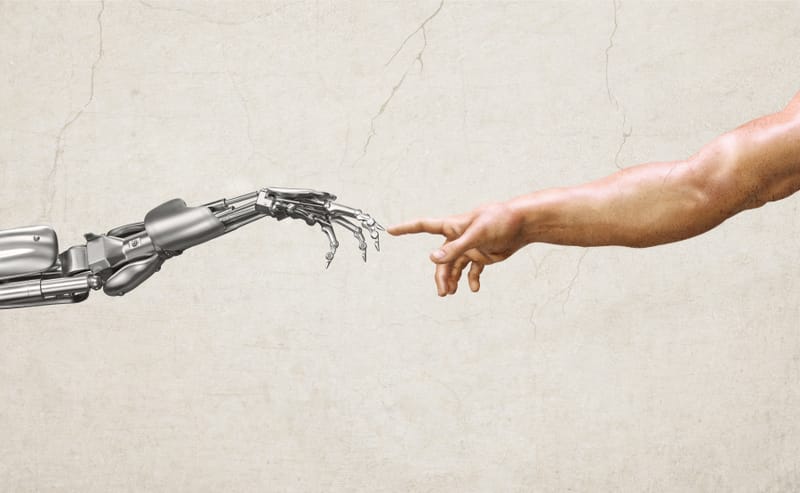
Information Governance & Digital Transformation
We work at the intersection of technology, rights, and policy to address how societies govern information flows and digital systems in ways that serve the public good. Our analysis and advisory services span access to information frameworks, AI ethics and governance, digital transformation strategies, media development, press freedom, platform governance, data protection regimes, and the regulatory architectures needed to ensure technology advances human development rather than undermining it.

Cultural Heritage & Collective Memory
We work on heritage preservation, narrative construction, and collective memory to examine how societies document, interpret, and transmit their pasts. This goes beyond technical preservation to questions of whose stories get told, how historical narratives shape present identities, and what role heritage plays in social cohesion or exclusion. Our work spans documentary heritage management, archival systems, intangible cultural heritage, exhibitions and memory projects.
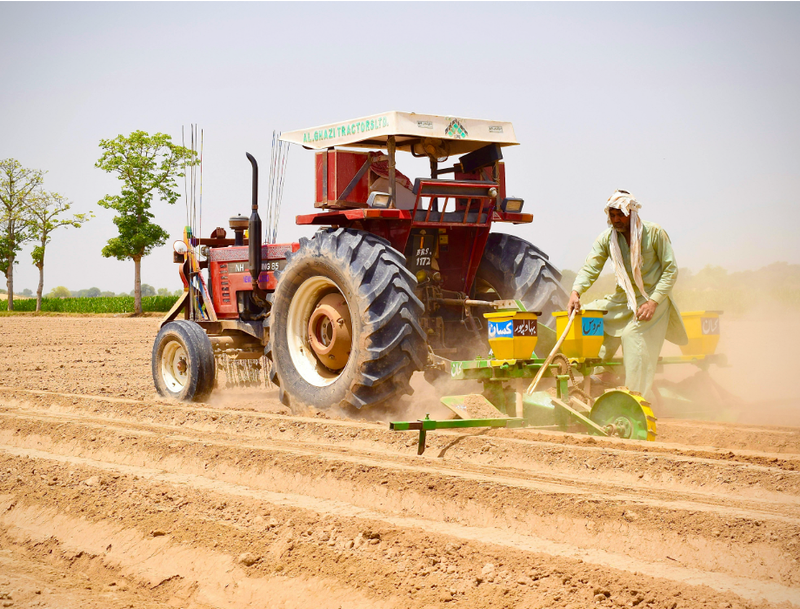
Growth & Innovation Ecosystems
We work at the intersection of organizational performance and entrepreneurial development to enable economic transformation. We support corporations in integrating technology, building capacity, and restructuring for agility. This includes navigating the transition from voluntary Corporate Social Responsibility (CSR) to mandatory Environmental, Social and Governance (ESG) reporting, developing diversity and inclusion strategies, designing frameworks that create measurable impact. We advise on policies that enable inclusive development, and strengthen economic resilience.

Climate Justice & Social Equity
Our work examines climate impacts alongside broader questions of gender equality, minority rights, poverty reduction, disability inclusion, and social protection. We analyze how environmental and social vulnerabilities compound existing inequalities based on gender, class, caste, ethnicity, disability, and geography.
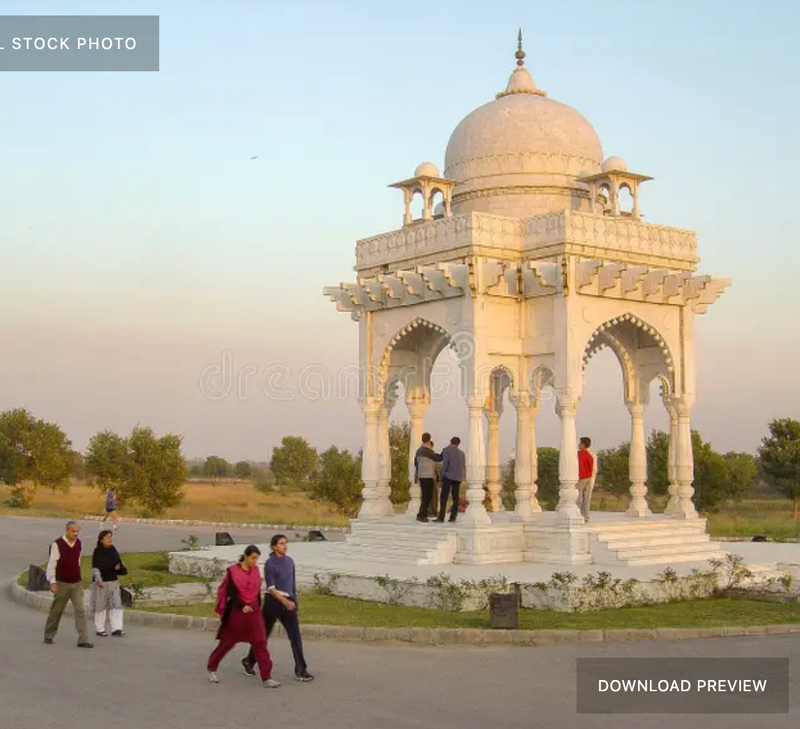
Cities, Spaces & Society
We examine how built environments, spatial configurations, and public spaces shape social relations, economic opportunity, and environmental futures. This thematic area addresses urgent questions of rapid urbanization, spatial inequality, internal displacement, migration dynamics, urban violence, and how cities and settlements can become more equitable, sustainable, and livable.

The Caravanseraye : A third space
Beyond client-commissioned work, Manāra maintains an independent exchange platform to advance thought leadership, public discourse, and collective learning. Scroll down for details.